Discover the masterpieces of Strasbourg’s museums
StrasbourgDiscover or rediscover the essential works housed in Strasbourg's network of museums in seven stages, at your own pace!
Stop 1
Museum of Modern and Contemporary Art, Strasbourg
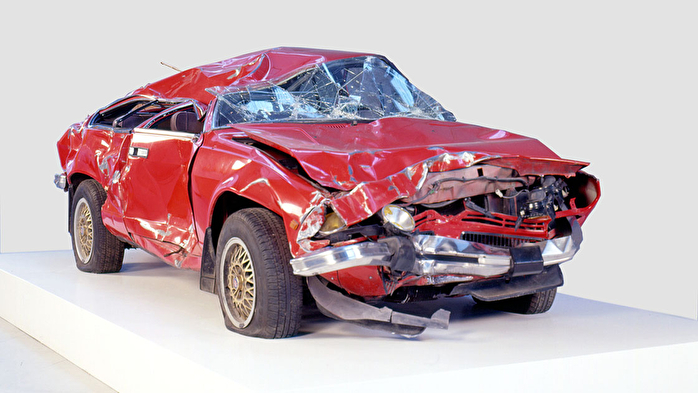
Giulietta
Bertrand Lavier, 1993
Since 1978, Bertrand Lavier has been questioning the identity of objects and their representation by combining conceptual rigour with humour. He transforms everyday objects into works of art, such as La Giulietta, a wrecked sports car steeped in contemporary myths and mentioned in particular in Godard's film Contempt. Found in a scrap yard, this “ready-destroyed” object is presented as a modern lounger, questioning its artistic status and its real and imaginary history.
Oat Field with Poppies
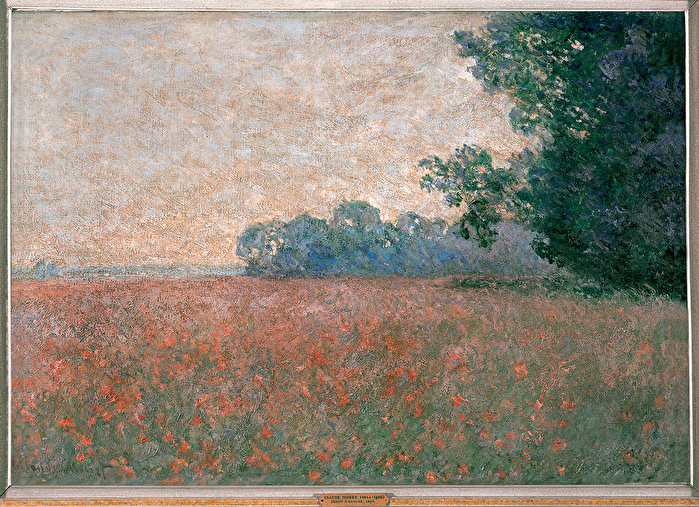
Claude Monet, around 1890, near Giverny
In the summer of 1890, Claude Monet captured the changing light of a wheat field strewn with poppies in a series of five paintings with identical compositions. These works are less contrasting than his series of haystacks and subtly reflect the changes in light and the transience of visual impressions, revealing the richness of textures and colours typical of his Impressionism. The landscape opens up to an atmospheric perspective dominated by hills and trees on the horizon.
Christ leaving the Praetorium
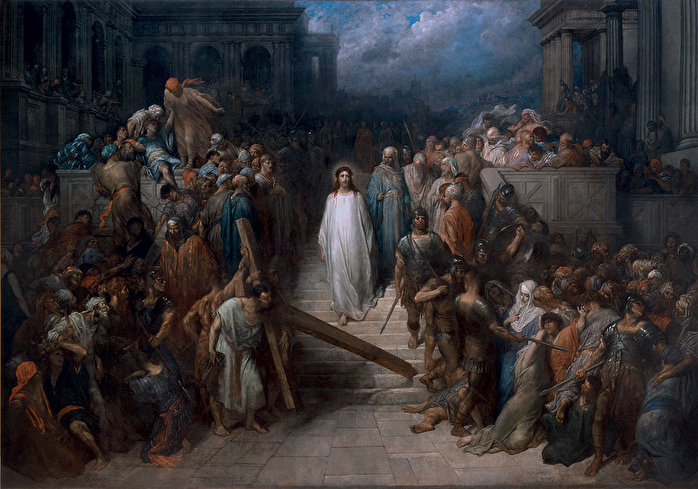
Gustave Doré, 1867-1872
This monumental painting, which Gustave Doré considered his masterpiece, illustrates a key moment between the presentation of Christ (Ecce homo) and the carrying of the cross. Jesus descends the steps with dignity, isolated by a symbolic light, while a hostile crowd stands in the shadows and a sympathetic gathering surrounds the Virgin. Through his posture and divine attributes, Christ dramatically illuminates the scene and marks the beginning of the Passion. Doré creates a powerful staging that foreshadows the dramatic tension that cinema would later take up.
Stop 2
Alsatian Museum
Please note that the Alsatian Museum is currently closed for renovation work.
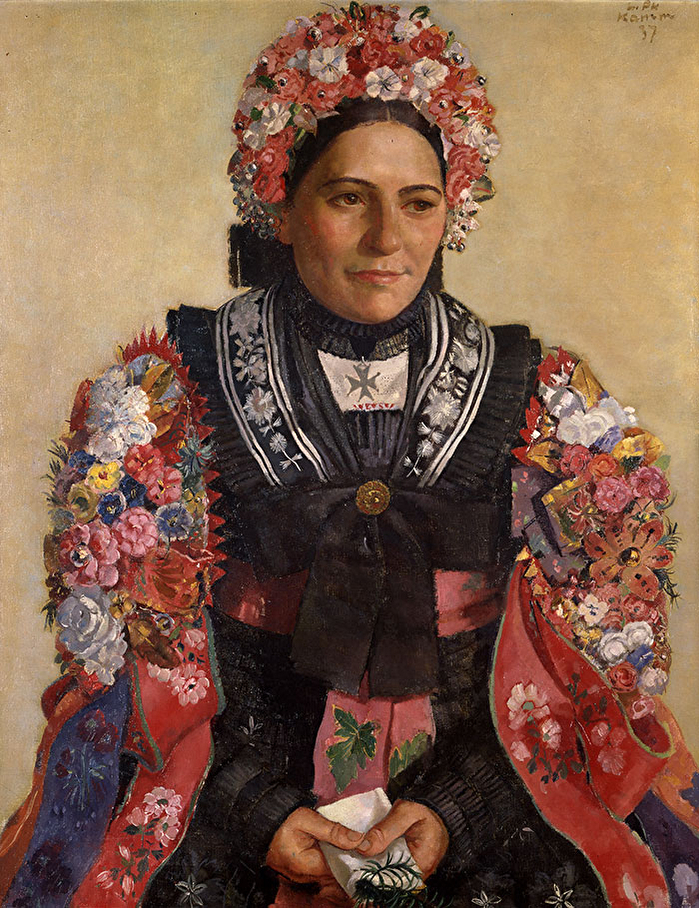
Bride from the Seebach region
Louis Philippe Kamm, 1937, Oberseebach
This picture shows the traditional wedding costume from Oberseebach, a village in Alsace beyond the forest. The bride wears a black dress, a wreath of artificial flowers, armbands decorated with ribbons and an embroidered shawl that partially covers her bodice, leaving the red initials on her white shirt visible. The Huguenot cross she wears around her neck testifies to her Protestant faith.
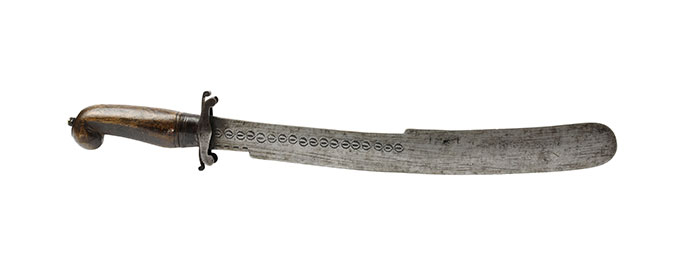
Kreissmesser
Late 18th century, early 19th century, Germany
The circle knife, a large iron knife with a rounded tip and a carved wooden handle, dates from the late 18th or early 19th century. Its blade bears the Hebrew inscription ‘Thou shalt not let a witch live’ and is decorated with small circles. It was used in Jewish magicalreligious rituals and served in the ceremony of circles to protect the woman in labour and the newborn from evil forces. The metal of the blade was also supposed to ward off harmful spirits. It is the only surviving example in Europe.
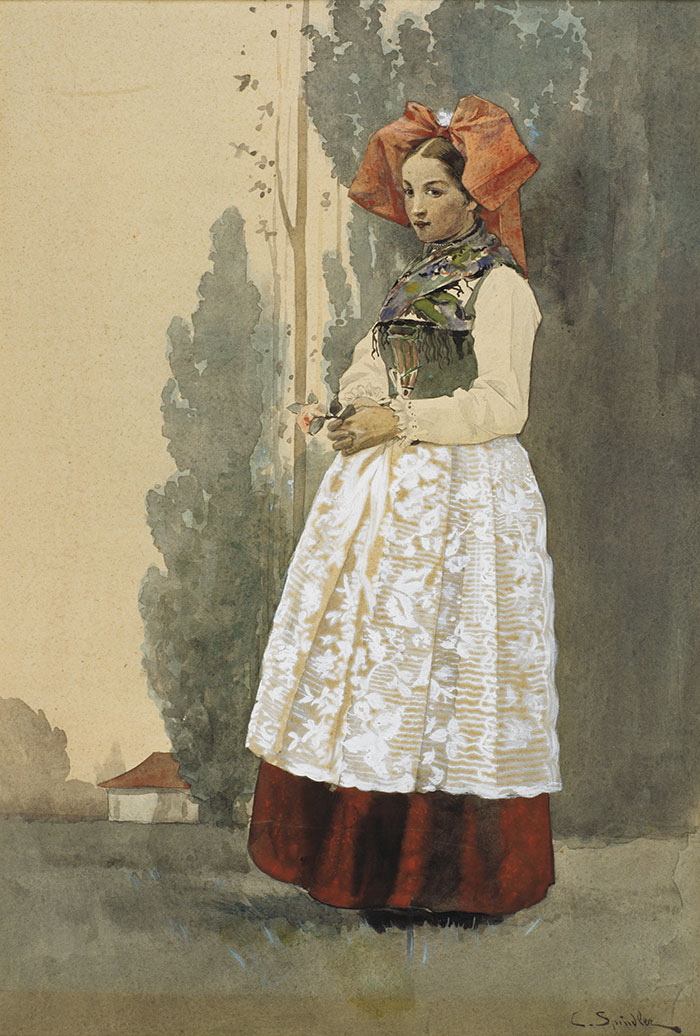
Young girl from Geispolsheim in festive costume
Charles Spindler, late 19th century, Saint-Léonard
This watercolour illustrates the work Costumes et Coutumes d’Alsace (1902) by Charles Spindler and Anselme Laugel. The latter describes the festive costume of a young girl from Geispolsheim, which was worn exclusively by Catholics: a small crown of artificial flowers on her head, a long-sleeved shirt decorated with lace, a laced bodice that almost completely covers the chest, a red dress made of wool or serge, a white guipure apron and a colourful silk scarf crossed over the chest.
Stop 3
Historical Museum
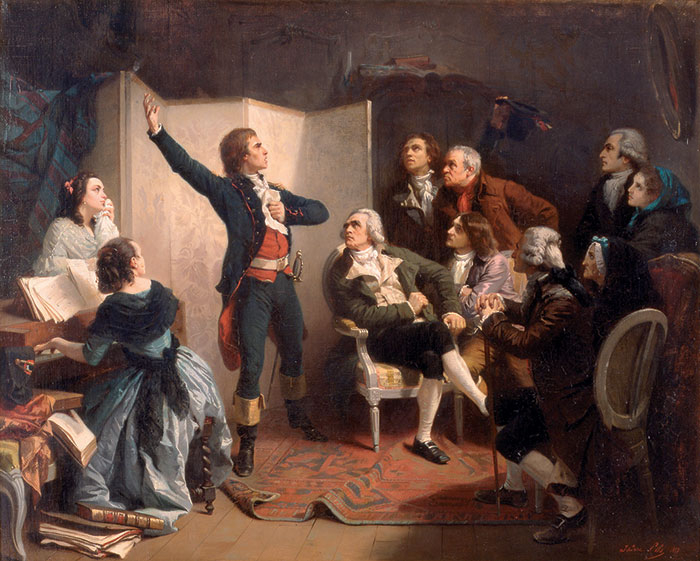
Rouget de L'Isle sings La Marseillaise for the first time
Isidore Alexandre Pils, 1849
La Marseillaise was written in Strasbourg, in the privacy of a salon, where Claude Joseph Rouget de Lisle composed it at the request of Mayor Philippe Frédéric de Dietrich to encourage the Army of the Rhine. This song, which was quickly adopted by volunteers from Marseille, became the national anthem in 1879. The painting by Isidore Pils, exhibited at the Strasbourg History Museum, illustrates this symbolic scene, even if the exact details of its first performance remain uncertain. Ironically, Dietrich, who supported the Revolution, fell victim to the Reign of Terror.
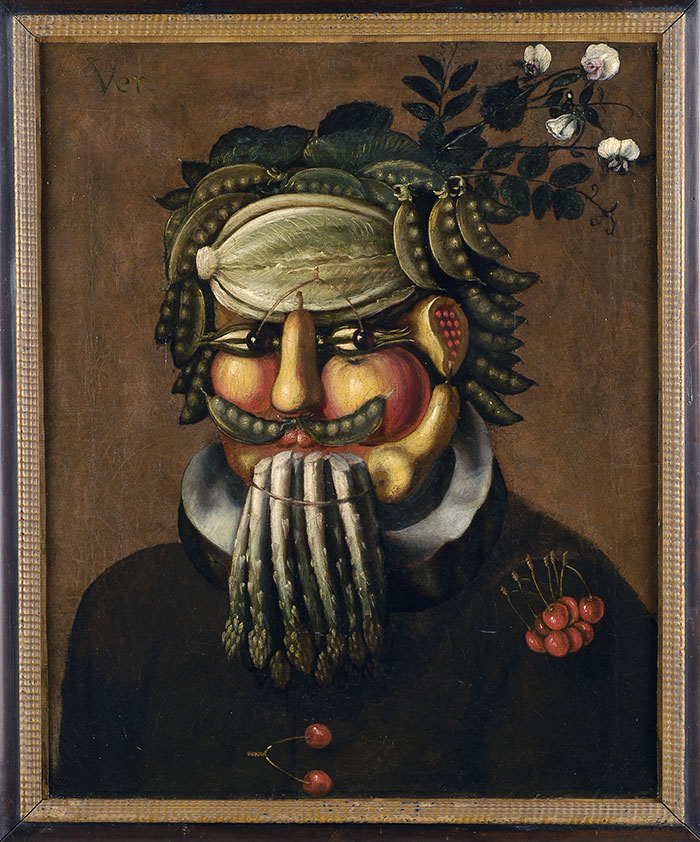
The Four Seasons
Anonymous Strasbourg artist, Arcimboldo, first half of the 17th century, Strasbourg
These portraits of the four seasons, made from fruit, vegetables and flowers, come from the Poêle des Jardiniers, the meeting place of Strasbourg's craft guilds. The anonymous artist was clearly inspired by Giuseppe Arcimboldo, who is known for his plant portraits, particularly that of Rudolf II, which is on display in Sweden. Although more rustic in execution, these Mannerist works bear witness to the iconographic and botanical richness of the late 16th and early 17th centuries, in conjunction with the botanical treatises of the time.
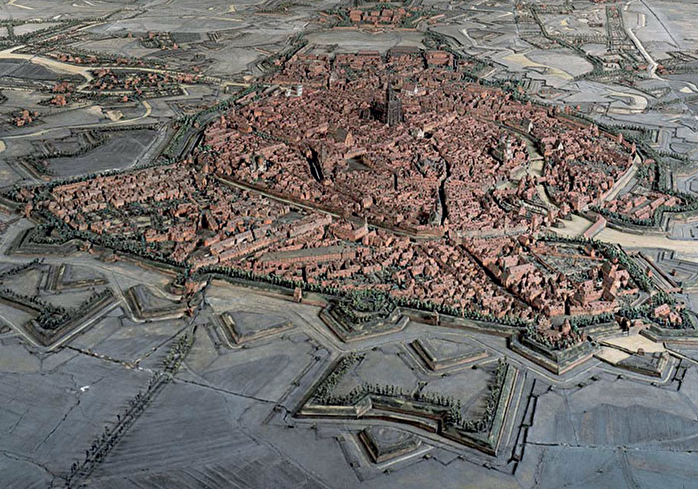
Relief model of the city of Strasbourg
François de Ladevèze, 1725-1728, Strasbourg
This relief model of Strasbourg was created around 1727 by the engineer Ladevèze. It covers an area of 72 m2 and shows the city and its surroundings on a scale of 1:600. It illustrates Vauban's fortifications and the military changes made in connection with the treaties of Ryswick and Rastatt. Made of wood, paper and silk, the model was used by strategists to plan defences and sieges. After being exhibited at the Louvre and confiscated by the Allies in 1815, it was returned to Strasbourg in 1902 and is now kept in the Historical Museum, where it is a valuable testimony to the city at the beginning of the 18th century.
Stop 4
Museum Oeuvre Notre-Dame
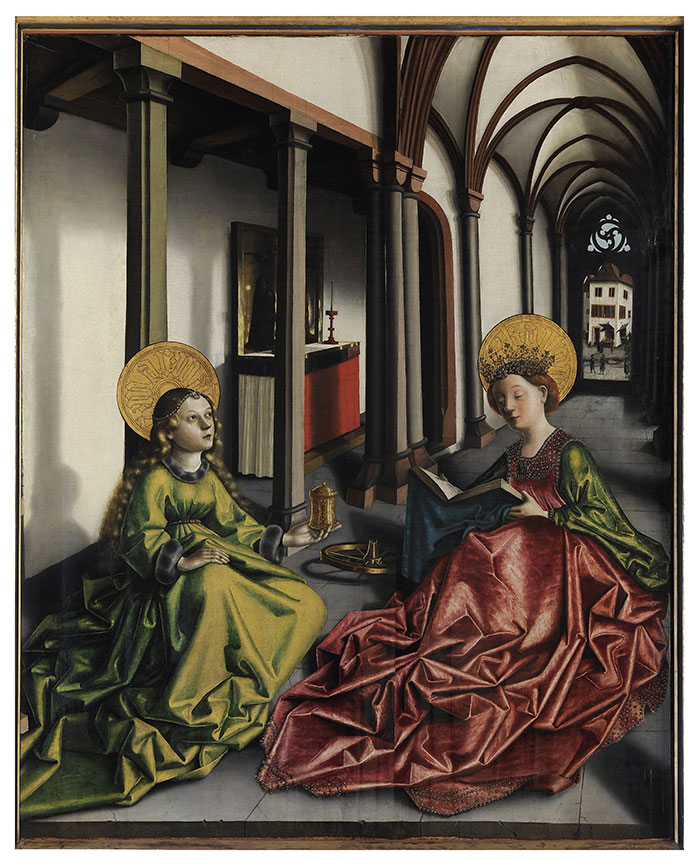
Saint Mary Magdalene and Saint Catherine
Conrad Witz, c. 1440–1445, Basel, Switzerland, Upper Rhine
Conrad Witz, a 15th-century painter from Basel, was one of the first great artists of the Upper Rhine region. His panel painting "Saint Mary Magdalene and Saint Catherine", probably a fragment of an altarpiece, shows his interest in realistic spaces and volumes. The two richly dressed saints sit in a cloister with their attributes (the wheel for Saint Catherine, the vase for Saint Mary Magdalene). The perspective is masterful, with realistic shadows and reflections, even if the figures appear somewhat stiff. An artist's workshop can also be seen in the background, possibly that of Witz.
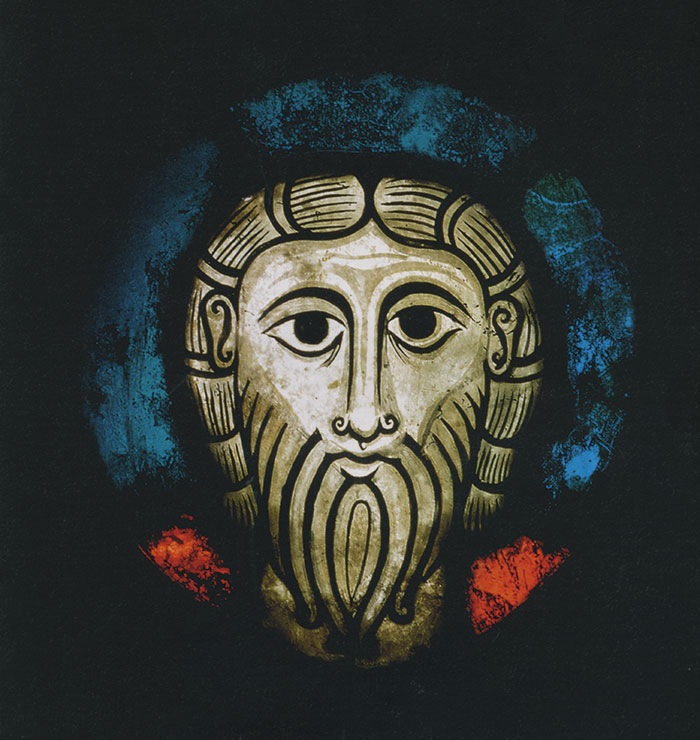
Male head, known as the "Christ of Wissembourg"
Anonymous, second half of the 12th century
This bearded male head is undoubtedly the oldest figurative stained glass window preserved in France and probably represents a monumental Christ. Its frontal and stylised style gives it a powerful expression. Previously dated to around 1060, it is now associated with the stained glass windows of Wissembourg Abbey Church, where the figures have the same large eyes and characteristic facial features. It consists of a single sheet of glass and illustrates the three-layer ‘grisaille’ technique described in the 12th century. The coloured glass surrounding it dates from a restoration in the 1950s.
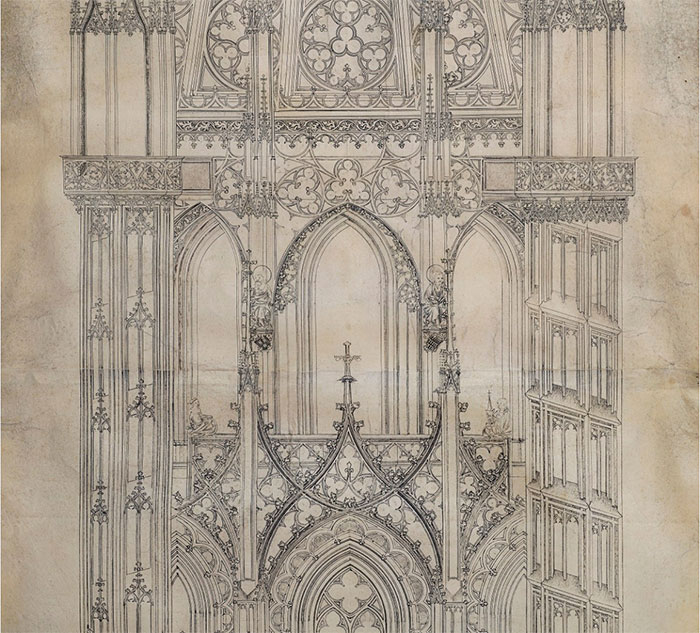
Elevation of the high tower of Strasbourg Cathedral, design for a spire
Johannes or Jean, Hans, Hültz Architect, around 1419
This pen-and-ink drawing, attributed to the architect Johannes Hültz, whose coat of arms is depicted on a shield, bears witness to a specific phase of construction. It combines the survey of the lower part already built with a design for a spire that was ultimately not realised. This work dates from 1419, when Hültz succeeded the master builder Ulrich von Ensingen. The drawing is notable for its great precision and the use of coloured glazes, which give volume to the sculptural elements. Several highly detailed statues can be seen, including Saint Catherine and Saint Barbara – two of the eight "spectators" of the octagon – as well as two apostles under the canopies at the foot of the tower. A statue of the Virgin Mary was to crown the ensemble.
Stop 5 : The Museums of the Palais Rohan
Archaeological Museum
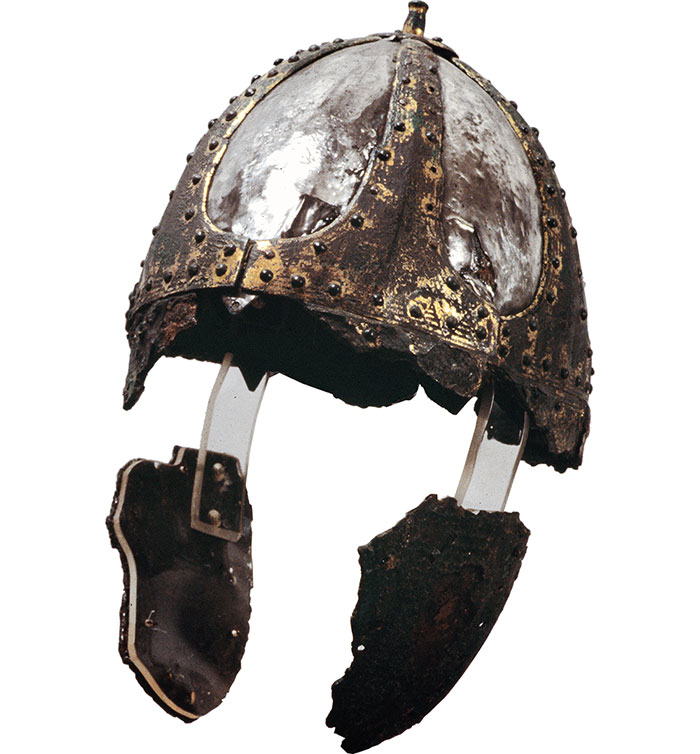
Ceremonial helmet
Merovingian period, late 6th century, early 7th century
In 1902, excavations in Baldenheim uncovered a conical helmet made of silver-plated iron, consisting of plates connected by bronze bands and decorated with plant and oriental motifs. This helmet, which is rare in France and was examined by R. Henning in 1907, probably originated in Mediterranean or Byzantine workshops and attests to the prestige of its wearer, who is often associated with rich grave goods.
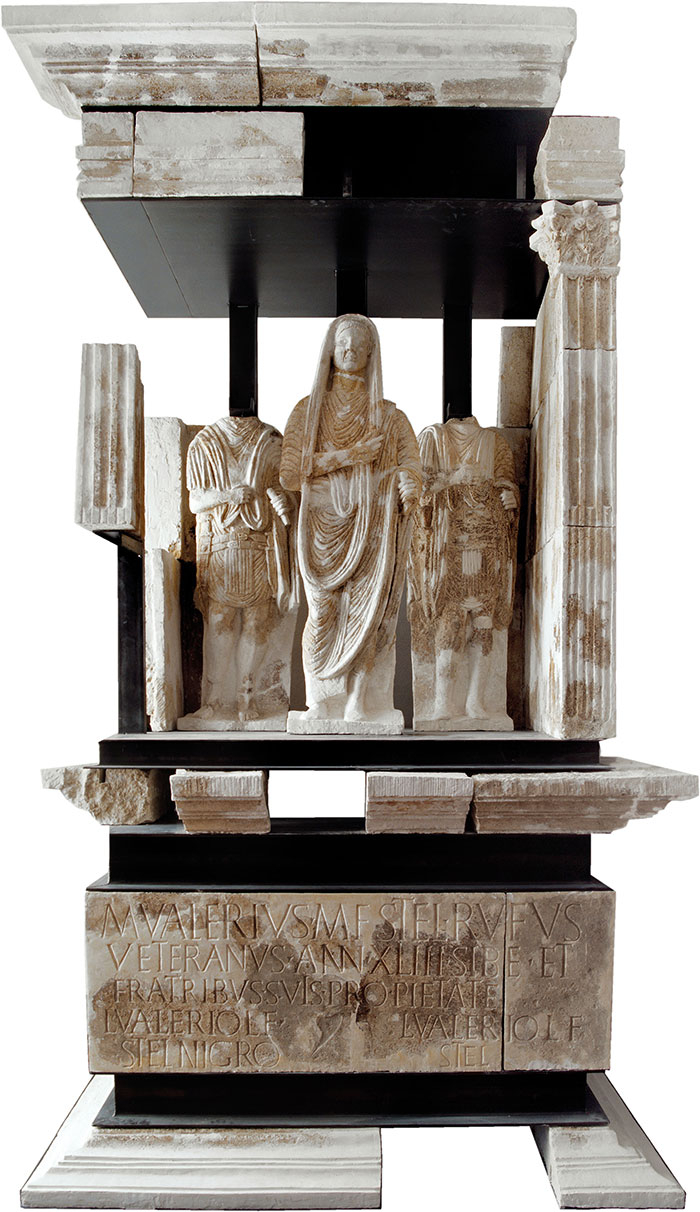
Mausoleum of Valerius Rufus
Mid-1st century, Alsace
This limestone mausoleum, excavated in Koenigshoffen, commemorates three members of the Valerius Rufus family from the 1st century AD. It features statues of two soldiers and a veteran in togas, as well as a maenad, a motif commonly found in the Rhineland. This prestigious monument, built on the model of those found in northern Italy and originally painted, bears witness to the high social status of the deceased, who were often highranking legionaries.
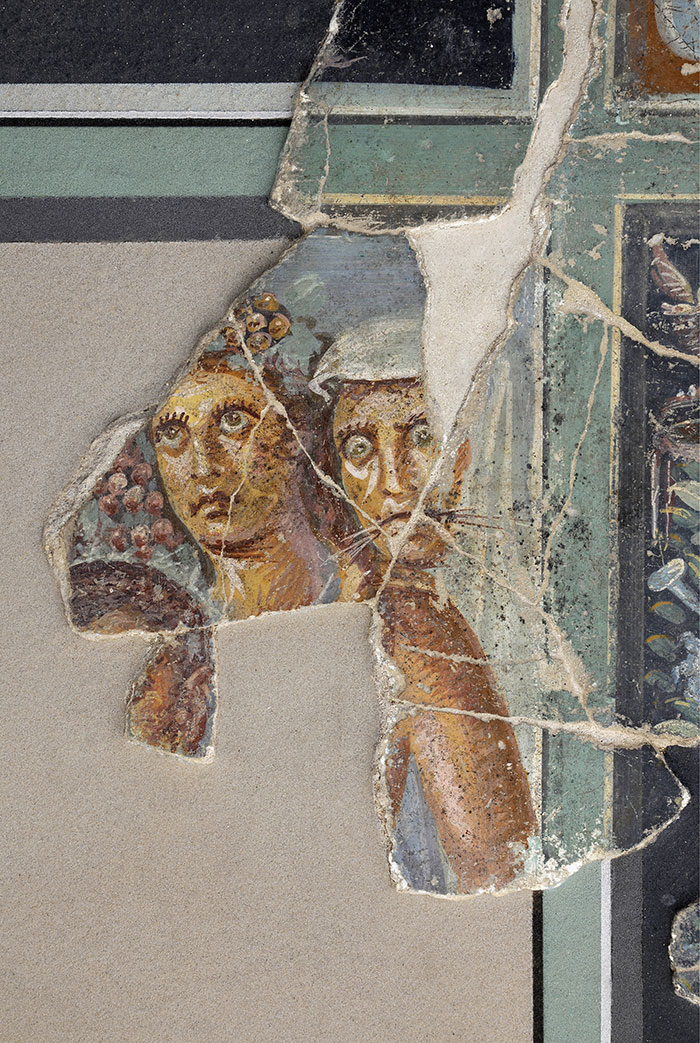
Dionysus discovers Ariadne on Naxos
1st century
This large painting (1.90 m x 1.50 m) shows Dionysus, crowned with vine branches, discovering Ariadne on Naxos, accompanied by his entourage, including a flute player. This painting, which was displayed near a legionary camp, propagates the founding myths of Rome and imperial propaganda, symbolising Dionysus as the victorious god who brings Roman civilisation to the East. The Bacchanalian procession, a frequent theme, recalls the ancient mysteries, ritual festivals of Hellenistic origin that were very popular from the 2nd century BC onwards.
Museum of Fine Arts
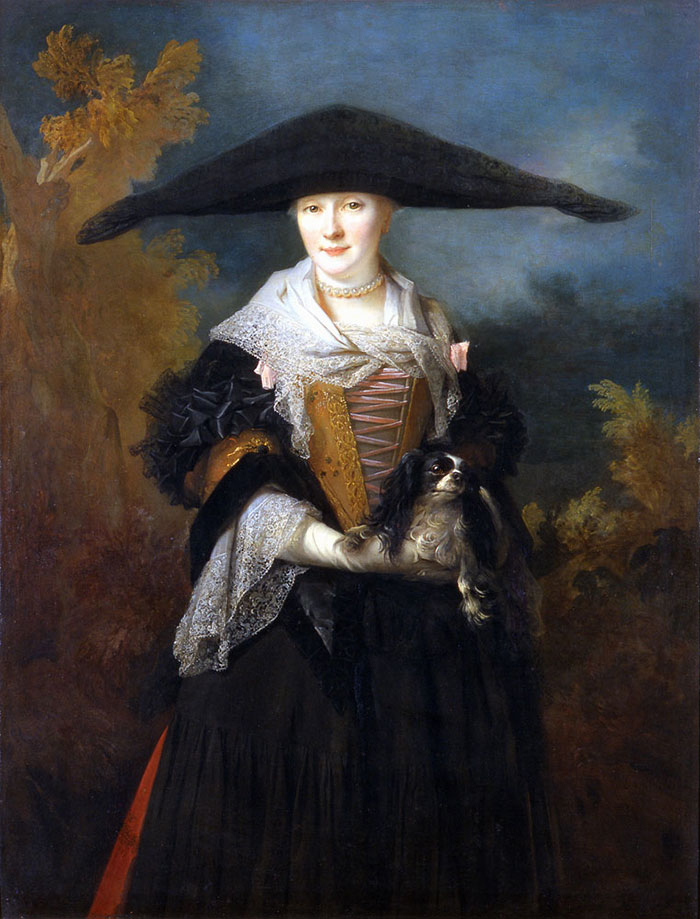
The Beautiful Woman of Strasbourg
Nicolas de Largillierre, 1703
Largillierre, a renowned portraitist of the Parisian bourgeoisie and patron of Chardin, was trained in Flanders, where he developed a rich colour palette and a flair for the sumptuous representation of fabrics. The costume of this young woman, with its red skirt, black apron, pleated sleeves, lace scarf and extravagant hat, the central element of the painting, illustrates the Strasbourg patriciate between 1688 and 1730 under Louis XIV. The identity of the model remains uncertain: a Strasbourg woman, a Parisian in costume or the artist's sister.
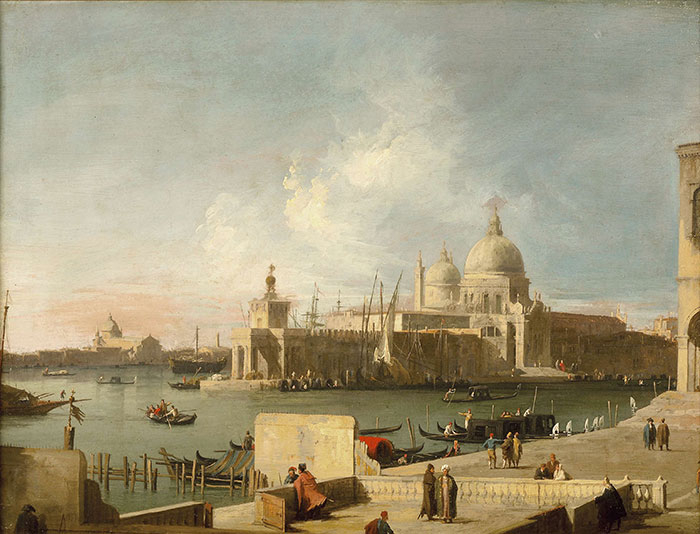
View of the Church of La Salute from the entrance to the Grand Canal
Giovanni Antonio Canal, known as Canaletto, painter, around 1727, Italy
Canaletto, a famous Venetian painter, specialised in veduta, a precise cityscape characterised by a luminous poetry. He often depicted symbolic places in Venice and its lagoon, offering several variations on the same motif. This painting, illuminated by the afternoon light, suggests an atmosphere after the rain. His works, intended for wealthy English tourists, also illustrate daily life around the Grand Canal with gondoliers, merchants and diplomats.
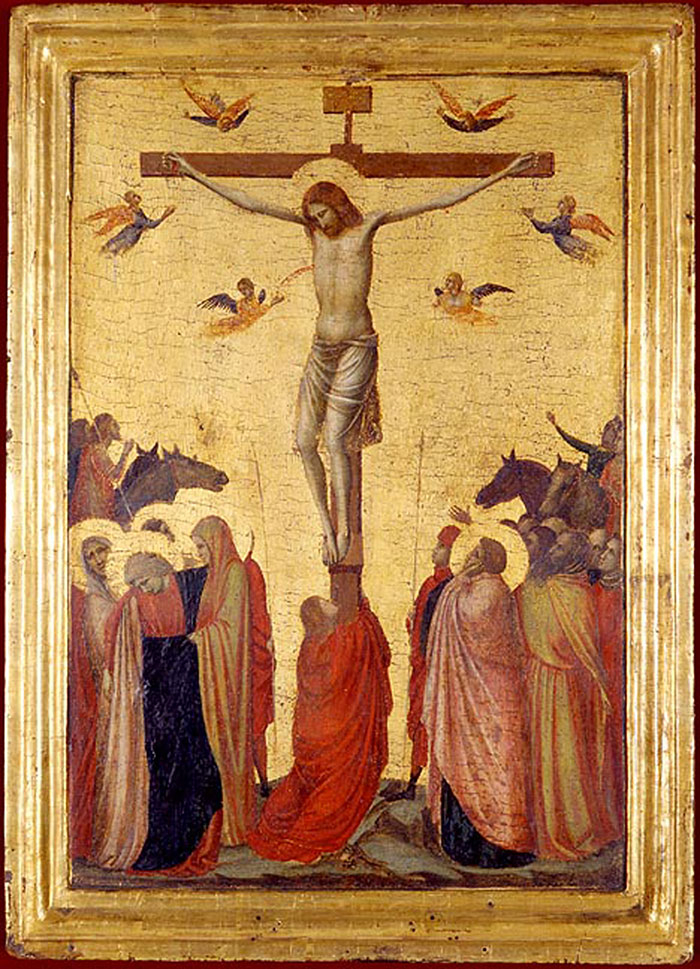
Crucifixion
Giotto, di Bondone, circa 1315, Florence
Giotto, heir to medieval forms, renewed Italian visual language and thus influenced the Renaissance. With the frescoes of Assisi (1296-1300), he surpassed Byzantine art by offering a more realistic representation of space and figures. This Crucifixion, attributed to his workshop, illustrates an iconographic scheme that became classic in Tuscany during the Trecento. Critic Roberto Longhi highlights Giotto's characteristic perspective, in which the proportions decrease in the background.
Museum of Decorative Arts
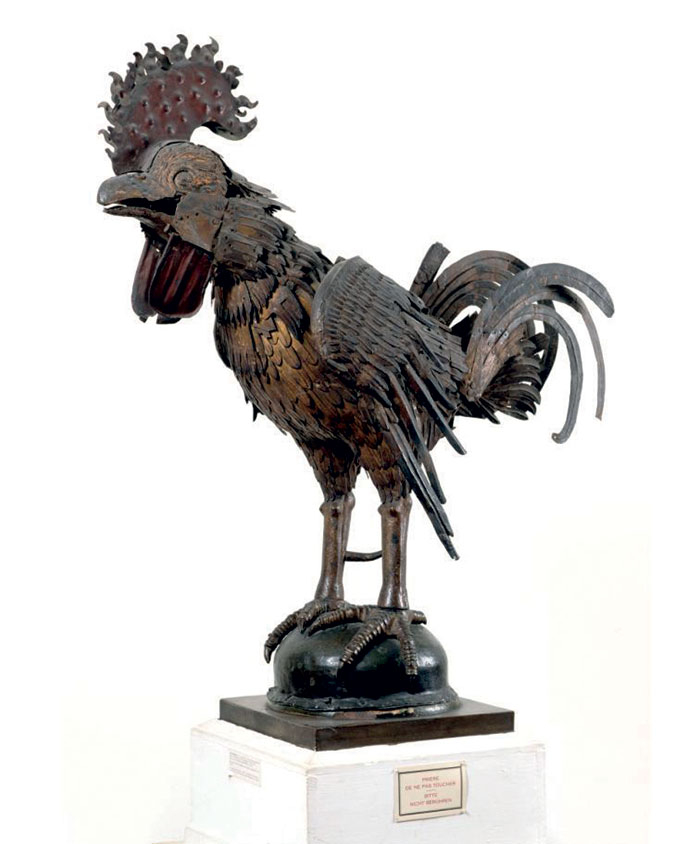
Automatic Rooster
Unknown, circa 1349, Gothic style, Strasbourg
The automatic cockerel, installed around 1352 on Strasbourg's first astronomical clock, moved its wings, head and tail while crowing. Made of wood and wrought iron, with painted plumage, it faithfully imitated the movements of a real cockerel thanks to a complex mechanism. As a symbol of the announcement of the day, it was part of the Three Kings clock, which was decommissioned around 1500, and was then reused in the second clock. It is kept in the Museum of Decorative Arts and is the oldest surviving automaton in the West.
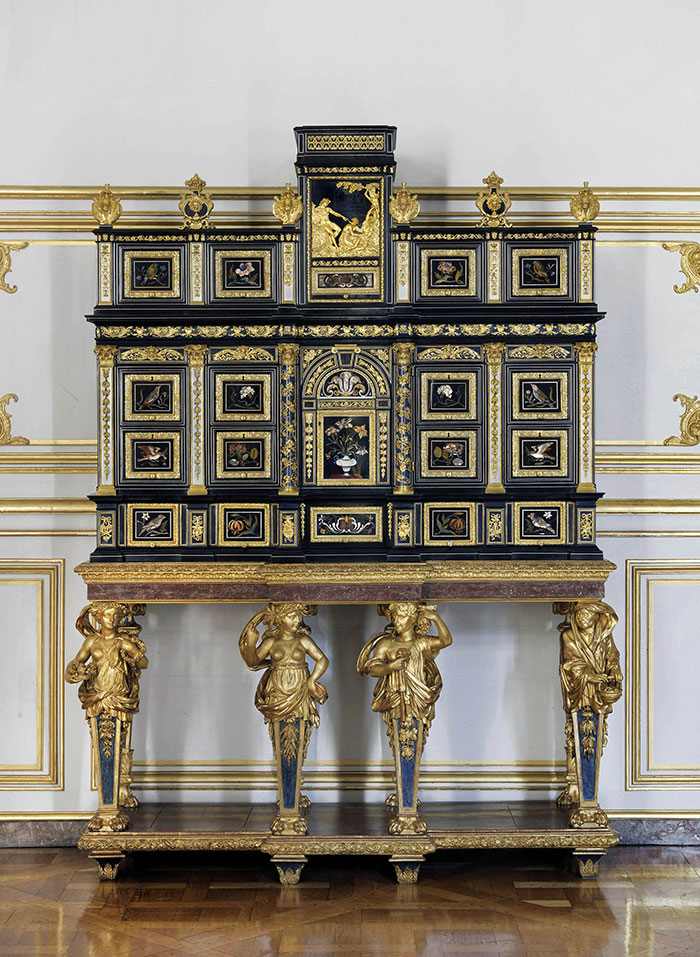
Parisian cabinet
Parisian workshop, circa 1675, Paris
Although stylistically far removed from the Italian-inspired cabinets of Domenico Cucci in Les Gobelins, this piece of furniture from Strasbourg illustrates the French synthesis of Parisian cabinetmaking in the 1670s. Despite some decorative details similar to those of Cucci, its authorship remains uncertain, especially since several royal carpenters were producing similar cabinets decorated with stone inlays at the time. The numerous heraldic motifs in gilded bronze suggest that it was commissioned by a high-ranking military officer who has not yet been identified.
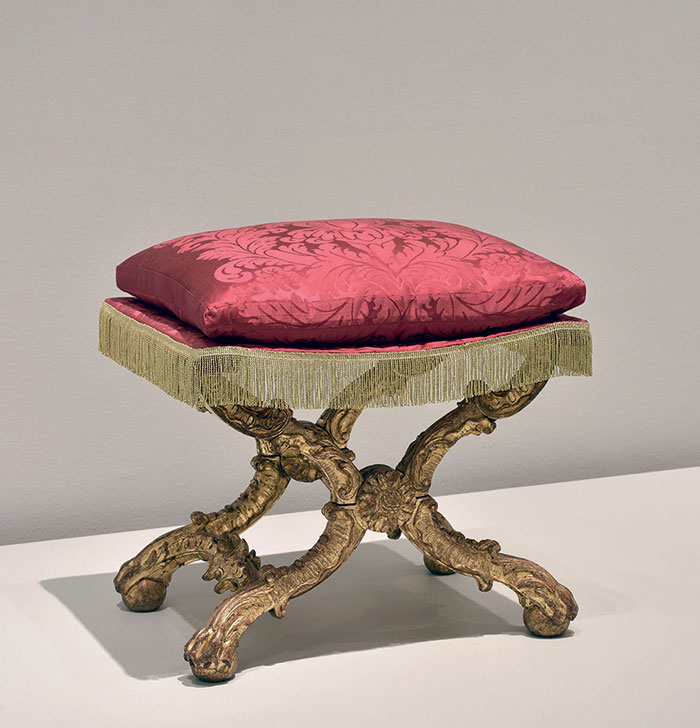
Folding chair
Circa 1740, France
This folding chair is one of a series of twenty-four chairs that were intended for the royal apartments of the Rohan Palace in Strasbourg, adding to the five chairs that have already been preserved. Its richly decorated and gilded carving harmonises with the Rococo style of the panelling, while the sunflower, the emblem of the House of Rohan, adorns the X-shaped frame and recalls the identity of the place.
Stop 6
Tomi Ungerer Museum – International Centre for Illustration
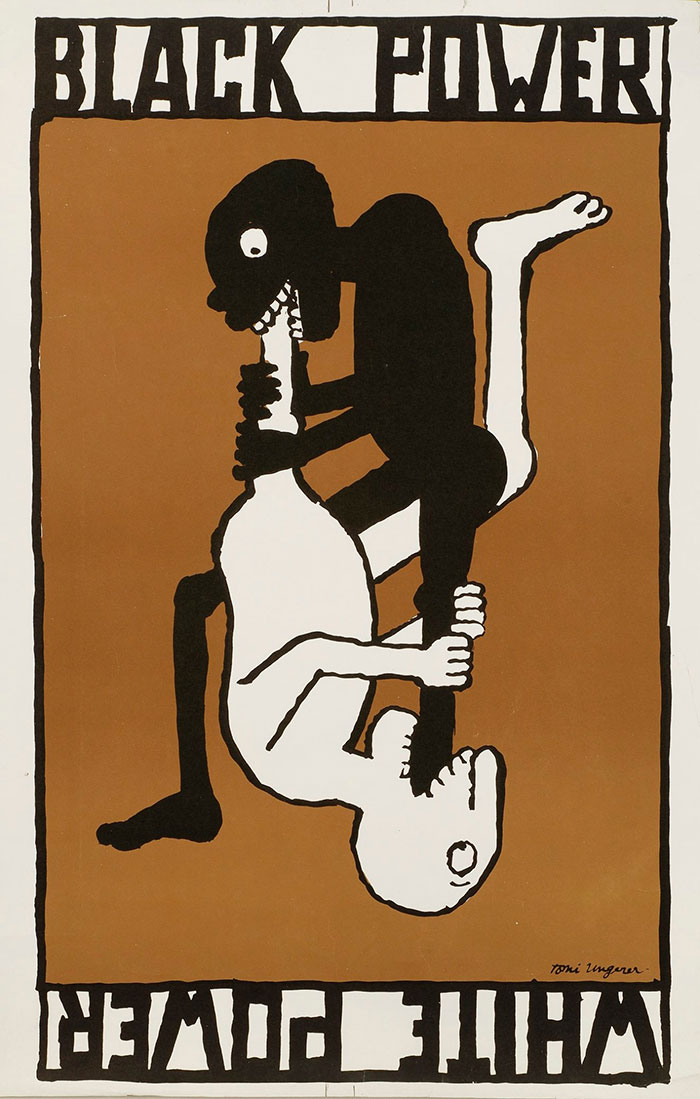
Black power / White power
Tomi Ungerer, circa 1967
Diogenes Verlag Zurich
Poster "BLACK POWER / WHITE POWER" for "Politrics": Two men, one black, the other white, are depicted upside down. Each is devouring the other's foot. In addition to society, politics is another major satirical theme in Tomi Ungerer's work. The domestic and foreign policies of the United States provided him with a particularly rich field of observation. With "Black Power/White Power", a poster that has become iconic, he addresses the conflict between the races.
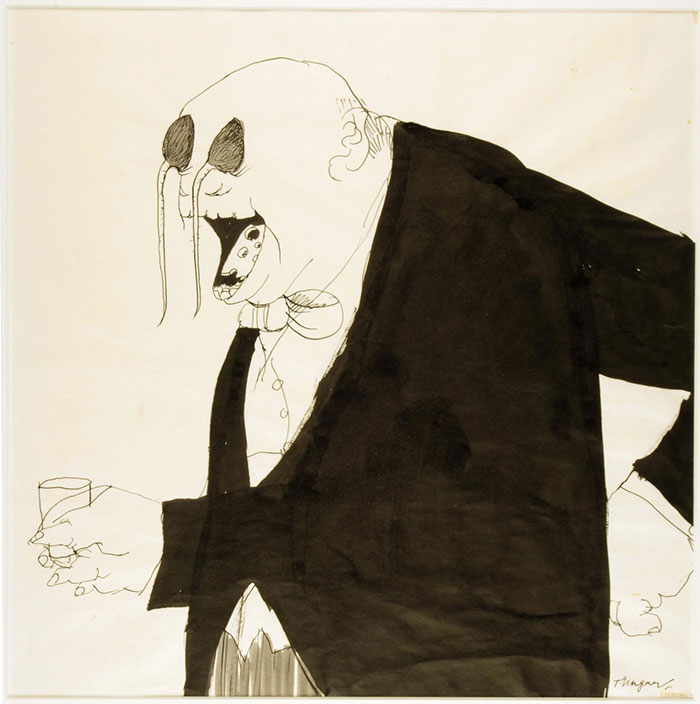
The Party
Tomi Ungerer, 1966
Diogenes Verlag, Zurich
Portrait of a bald man in profile, whose eyes end in mouse tails (Judge Willard Goiterson from Dallas). In "The Party", Tomi Ungerer takes a sharp look at New York high society as he experienced it in the 1960s. To highlight the weaknesses and flaws of the party guests, he often uses a satirical technique known since ancient times, namely the combination of animal elements with human bodies.
The Three Robbers
Tomi Ungerer, 1961
Diogenes Verlag, Zurich
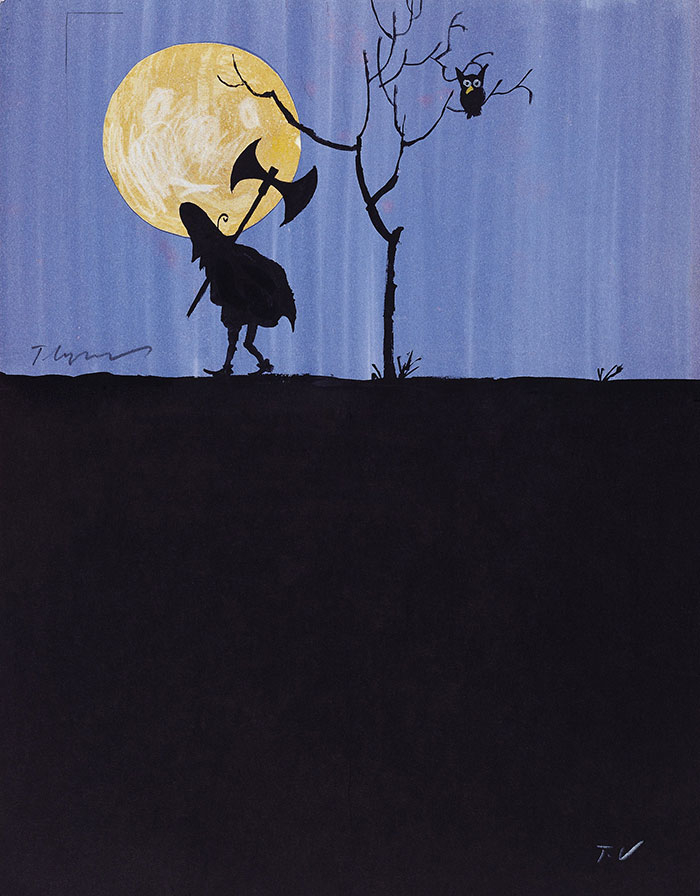
The Three Robbers is a well-known children's book by Alsatian author and illustrator Tomi Ungerer, published in Munich in 1961 under the original title Die drei Räuber. It is known for its original narrative style and bold illustrations, which are characteristic of Ungerer's unique style. The silhouette of a robber with an axe on his back stands out against the bright moonlight.
Stop 7
Zoological Museum
The Blaschka Models
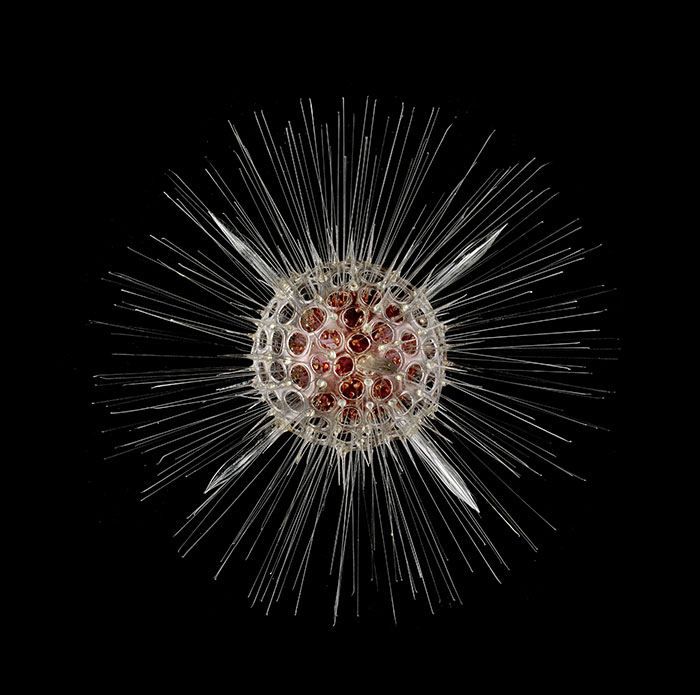
This collection of fragile models, unique in France, is a technical masterpiece and a masterpiece of late 19th-century Eastern European glassblowing. It bears witness to the intertwining of art and science in the 19th century and to the efforts of museums and universities to present marine organisms, which are often difficult to preserve, to their audiences and students. The 58 models from the Zoological Museum are being presented in their entirety for the first time.
The cœlacanth
The African coelacanth, first scientifically described in 1938, is one of the most significant zoological discoveries of the 20th century. This large nocturnal fish resembles the fish known from fossils, from which it has retained certain characteristics. The totem hall dedicated to it explains its (incorrect) nickname ‘living fossil’ and shows the media coverage that accompanied its discovery until it became the national animal of the Comoros.

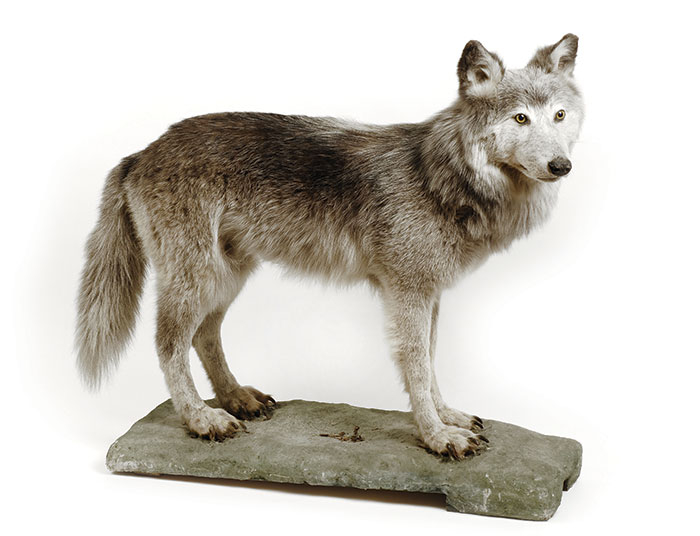
The wolf
The wolf, which has been the subject of fantasy and rejection for centuries, is still a controversial topic in European societies today, even since its reintroduction. The room dedicated to it shows the great genetic diversity (around forty subspecies, wild or domesticated) of the species Canis lupus, the complexity of its social behaviour and the history of its relationship with humans, with various actors having their say.